
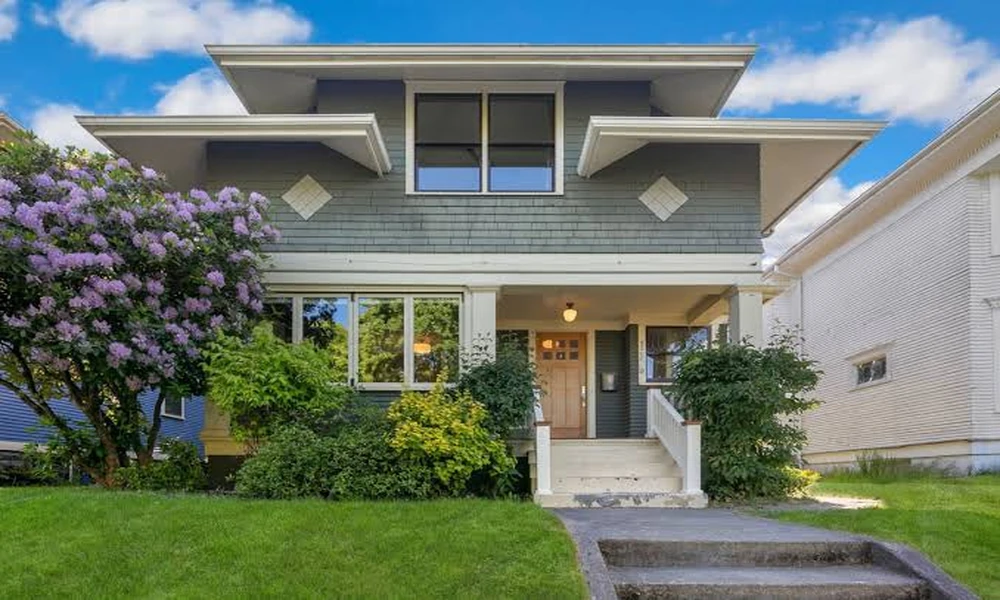
Buyers in Honolulu form an opinion about your home in about eight seconds. That’s the window between a buyer pulling up to the curb and deciding whether they’re excited to walk inside or already mentally checking out. Miss it, and no amount of gorgeous interior staging will bring them back.
The good news: curb appeal improvements return some of the highest dollars-per-project of any home upgrade. The tricky part for Oahu sellers is that Hawaii’s salt air, UV exposure, and near-constant humidity punish surfaces faster than anywhere on the mainland. What looks fine to you after three years of living there can look noticeably weathered to a fresh set of buyer eyes. This guide walks you through where to spend, what to skip, and how to make your property look genuinely compelling before the first open house.
Start With a “Tropical Surface Audit”
Before you spend a dollar, walk your property as a stranger would. Start at the street, stop at the sidewalk, and spend five minutes looking at nothing but surfaces. This is the Tropical Surface Audit, and it’s the most useful 20 minutes you’ll put into your listing prep.
You’re scanning for four things in this order:
- Spalling, cracking, or staining on concrete driveways, walkways, and retaining walls.
- Efflorescence (the chalky white mineral bloom) on any masonry surfaces near the foundation or garden walls.
- Mold or algae on shaded concrete, particularly north-facing surfaces that stay damp.
- Sunken or uneven pavers on paths or patios, which read as neglected and create liability concerns for buyers.
These are the issues that kill first impressions before a buyer even gets to the front door. Cosmetic paint and new plants won’t fix them. Concrete and masonry problems need to be resolved before anything else goes on top.
The Hardscape Hierarchy: What to Fix First
Not every defect is worth the same money. Some repairs are non-negotiable for a clean sale, and some are just nice-to-haves. Here’s how to rank your hardscape to-do list before calling anyone.
| Issue | Buyer Impact | Priority | Typical Action |
|---|---|---|---|
| Cracked or spalled driveway | High – first thing buyers see | Fix before listing | Spall repair or resurface |
| Uneven walkway pavers | High – safety and aesthetics | Fix before listing | Re-set or replace pavers |
| Efflorescence on retaining wall | Medium – signals moisture issues | Address before listing | Clean and seal |
| Algae-stained rear patio | Low-medium – depends on visibility | Clean, paint if budget allows | Pressure wash and paint |
| Purely cosmetic aging on fence | Low | Optional | Touch-up or leave |
The principle is simple: fix anything that a buyer’s home inspector will flag, because those findings kill deals or push price negotiations into territory that costs you more than the repair would have.
Why Hardscape Repairs Outperform Landscaping ROI in Hawaii
Sellers in Honolulu almost always over-invest in plants and under-invest in concrete. It’s an honest mistake. Flowers are easy to photograph, they smell great, and they feel festive. But a cracked driveway directly underneath a gorgeous plumeria tree does not read as “charming.” It reads as “deferred maintenance.”
American homeowners spent $827 billion on home improvements during the two-year period ending in 2023, according to the U.S. Census Bureau’s American Housing Survey as reported by the Joint Center for Housing Studies of Harvard University. A key driver was the shift toward professionally completed renovations over DIY, particularly for structural and exterior work where mistakes are costly and visible. Hawaii sellers should take that same mindset: exterior masonry is not the place to save money with a weekend project.
Skilled masonry work also commands a premium in Hawaii. The median annual wage for masonry workers was $56,600 in May 2024, according to the U.S. Bureau of Labor Statistics. On a high-cost island with limited contractor supply, you should expect to pay above national median rates. Budget accordingly, and get quotes from at least two contractors so you understand the range.
Choosing the Right Contractor for Pre-Sale Masonry Work
Pre-sale timelines are tight. You’re usually working backward from a listing date with 30 to 60 days of room, and masonry work has cure times. Concrete needs time to fully set, sealers need time to cure, and rushed jobs show.
Here’s a four-question framework for vetting anyone you bring onto a pre-sale hardscape project:
- Do they give you a written scope of work before starting? Any professional operation will. No written scope means no accountability when you’re under listing pressure.
- Can they show completed work on comparable island properties? Hawaii’s salt air and UV intensity are not the same as Phoenix or Miami. You want someone who has dealt with both before.
- What is their projected timeline including cure time? Fresh concrete and fresh sealers need to breathe before they look presentable in listing photos. Ask specifically.
- Are they licensed in Hawaii? This is non-negotiable. Unlicensed work can create title and disclosure problems that surface at closing.
For Oahu properties specifically, working with experienced masonry professionals who understand Hawaii’s climate-driven durability requirements makes a real difference in how long the finished work holds up. That matters to buyers, but it also matters to you if the deal falls through and you need the curb appeal to last another listing cycle. For homeowners on the island who want to work with someone already familiar with Oahu’s conditions, residential masonry contractors in Honolulu can handle everything from spall repairs and driveway resurfacing to decorative stonework and retaining wall construction.
The Details That Buyers Notice (Even When They Can’t Name Them)
Buyers are not masonry experts. They will not walk up to your house and think, “the mortar joint on that retaining wall is failing.” But they will think, “something feels a little off here.” That instinct is triggered by small defects that read as low-level neglect, even when the house itself is in great shape.
Three details are worth obsessing over in the final week before listing photos:
- The transition from driveway to street. This edge gets chipped, cracked, and stained from cars and weather. It’s the very first thing a buyer’s eye lands on from a car.
- The front walkway centerline. Any cracks or settlement here are unavoidable because buyers literally walk over them on the way to your front door. Their eyes go down reflexively.
- The base of the house where concrete meets the foundation wall. Staining and efflorescence here suggest water infiltration to any informed buyer, even if the interior is bone dry.
Cleaning these three spots thoroughly, patching small cracks, and applying a fresh sealer coat is a weekend’s work with the right products. For anything beyond cosmetic cleaning, bring in a professional and make sure the work is done at least two weeks before your photography session.
A Realistic Pre-Listing Curb Appeal Timeline
Eight weeks out from your target listing date is the right moment to start planning exterior work. Here’s a rough sequence that actually works in Honolulu’s permit environment and contractor market:
- Weeks 8 to 6: Get your masonry and concrete assessments done. Get at least two quotes. Award the contract.
- Weeks 5 to 4: Major concrete work happens here. Spall repairs, driveway resurfacing, walkway re-setting.
- Week 3: Sealing, painting of masonry surfaces, and any decorative stonework finishing touches.
- Week 2: Landscaping install, fresh mulch, lighting adjustments. Let the concrete breathe.
- Week 1: Final clean, pressure wash, staging review, and photography.
That’s a tight calendar but it’s achievable if you start conversations early. Most delays come not from the work itself but from getting contractors scheduled in a market where good ones book out fast.
Your listing photos are the product. Every dollar you spend on the exterior before that shoot is working harder than any other marketing dollar in your budget. Start with the concrete, get the hardscape right, and let everything else build on a foundation that buyers can actually trust.