
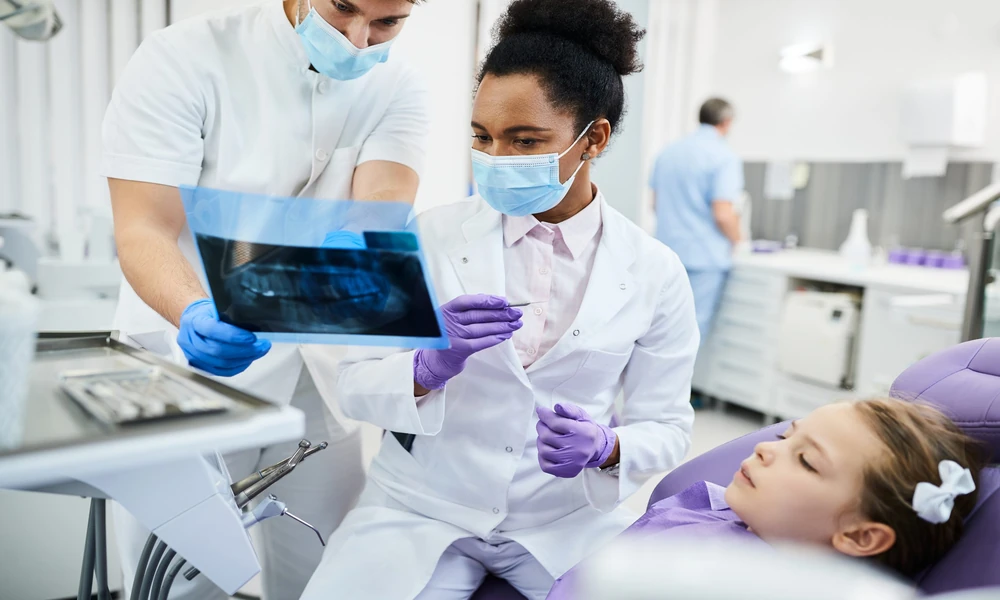
You are probably already keeping track of school forms, snack choices, bedtimes, screen limits, and a dozen other things that affect your child’s health. Oral care often lands in that same crowded space. You remind your kids to brush, you buy the toothpaste, you try to book cleanings on time with a local dentist in Joliet, IL, and still it can feel like one more job that depends on you noticing every small change before it becomes a bigger problem.
That is where family dentistry helps. It does more than give everyone a place to get teeth cleaned. A family dentist creates a routine, gives parents clear guidance, and turns oral care from something reactive into something steady. When care is built around the whole household, it becomes easier to stay involved without feeling like you have to figure everything out on your own.
Family dentistry gives parents a clearer role in daily oral care
Parents stay more engaged when the process feels simple and connected to real life. A family dentist sees patterns across ages, from baby teeth and thumb sucking to teen orthodontic concerns and adult gum care. That kind of continuity matters because it helps you understand what your child needs now and what may be coming next.
The idea of a dental home supports this approach. The American Academy of Pediatric Dentistry explains that a dental home gives children ongoing, accessible oral health care. For parents, that means fewer gaps, fewer mixed messages, and a familiar team that knows your family’s habits, concerns, and health history.
When you know who to call, when visits should happen, and what warning signs matter, you are more likely to stay active. That involvement is not only about scheduling appointments. It shows up in the little things, like checking brushing at night, asking about mouth pain after school, or noticing that your child is chewing on one side because something feels off.
Parents often carry the stress of oral care decisions alone
A lot of families wait until there is pain, swelling, or an obvious cavity. That is understandable. Dental visits can feel easy to postpone when no one is complaining, especially if your week is packed or money is tight. The problem is that children do not always explain discomfort clearly, and early dental issues can stay quiet for a while.
That delay puts more pressure on parents. You may start second guessing whether a spot on a tooth is serious, whether bad breath means poor brushing or something else, whether a chipped tooth can wait. If one child is fearful at appointments, every visit can feel like a buildup of tension before you even leave the house.
Regular care helps reduce that emotional load. The National Institute of Dental and Craniofacial Research reported that dental visits are increasing with support for pediatric providers, which reflects a broader push to help children get consistent care earlier. The more routine oral health becomes, the less it feels like a crisis-driven system where parents are forced to make rushed decisions.
That is one reason family dental care for parents and children works so well. It keeps oral health visible. It gives you regular checkpoints instead of long stretches of guesswork.
Consistent family dentist visits shape habits at home
Children take cues from what happens around them. If dental care is treated as routine, not punishment, they are more likely to accept it as part of normal health. A family dentist can reinforce what you are already trying to teach at home, from brushing for two minutes to cutting back on frequent sugary drinks and snacks.
That support matters because habits are rarely built through one conversation. They are built through repetition. You say one thing at home, the dentist says the same thing at the visit, and your child starts hearing a consistent message. That makes your job easier.
The numbers also show how common dental care has become across age groups. According to the CDC, dental visits remain a regular part of health care for many children and adults. Families who keep those visits on the calendar often find that home care becomes more stable too, because appointments create a rhythm and a reason to stay on track between visits.
Home care and professional care work better together
| Approach | What It Looks Like | Likely Result |
|---|---|---|
| Home care only | Brushing reminders, flossing when possible, watching for pain or visible issues | Good daily support, but early decay, bite changes, and gum problems may go unnoticed |
| Professional care only | Cleanings and exams a few times a year without strong follow through at home | Problems may keep returning because habits between visits are inconsistent |
| Home care plus a family dentist | Daily brushing and flossing, regular checkups, shared guidance for the whole family | Stronger habits, earlier detection, and less stress for parents over time |
How family dentistry supports parent involvement in oral care becomes easier to see when you compare these paths. Daily brushing matters. Professional care matters. The strongest results usually come when both are working together, with parents staying informed instead of waiting for a problem to force action.
Small actions from parents have a lasting effect
Set one family oral care routine.
Pick times that are realistic, usually after breakfast and before bed, and keep them steady. Younger kids need hands on help longer than many parents expect. Older kids may want privacy, but they still benefit from quick check ins and replacement toothbrushes that actually happen on time.
Use dental visits to ask narrow, practical questions.
Broad questions often get broad answers. Ask things like whether your child is brushing well along the gumline, whether a sports guard makes sense, or whether a sensitive tooth should be watched. Specific questions give you advice you can use that same week.
Book care for the household in a way that reduces friction.
If possible, group appointments or schedule the next visit before leaving the office. Parents are more likely to stay active when the system does not depend on remembering to call back months later. Family practices often make this easier, which is one reason many households prefer a family dentist over separate providers for each age group.
Steady support helps parents stay engaged without burning out
You do not need a perfect routine to protect your family’s oral health. You need a system that keeps care moving, catches problems early, and gives you support before small issues grow. That is what family dentistry does. It helps parents stay involved in a way that feels manageable, informed, and consistent.
If your family has been putting off appointments or trying to handle oral care one reminder at a time, now is a good time to schedule a visit with a trusted family dentist and get everyone back into a routine.