
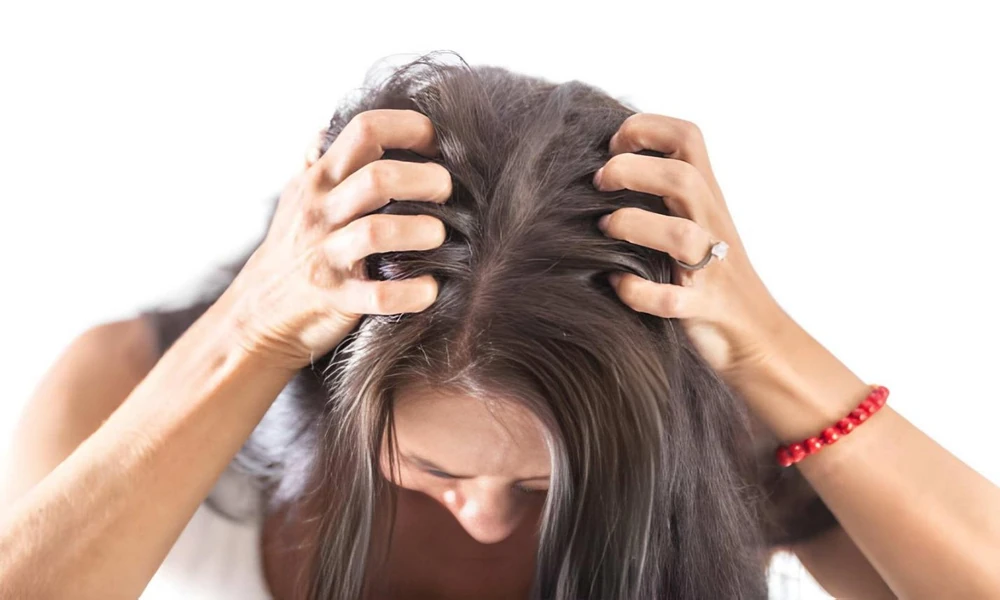
An itchy scalp under an extension style can turn a beautiful install into an uncomfortable daily distraction. For women with chemically relaxed hair, the issue can feel especially frustrating because the scalp and hairline may already need thoughtful handling between touch-ups, styling appointments, workouts, and wash days. A little tightness or sensitivity immediately after installation can sometimes settle quickly, but persistent itching, soreness, burning, bumps, or tenderness should not simply be ignored. Before booking your next appointment, it helps to look at the entire routine-from how the hair is prepared and installed to how easily you can cleanse and care for your scalp afterward.
Why Your Scalp May Feel Itchy After an Install
Natural and textured hair often needs a maintenance routine that respects both the scalp and the strands, and the same principle applies when wearingRelaxed Hair Extensions. Itching may come from braids or attachment points that are too tight, heavy added hair, sweat trapped beneath the style, product residue, or difficulty reaching the scalp for regular cleansing. Sometimes the problem is not the extension hair itself but the combination of tension, buildup, and limited access once the style is complete.
Pay attention to how your scalp feels during the installation, not only afterward. A style should feel secure, but it should not create sharp pulling, throbbing, or a sensation that your scalp is being stretched. Relaxed strands can be more vulnerable at the line where new growth meets processed hair, so unnecessary pulling around the perimeter, temples, and nape may make an otherwise polished style uncomfortable.
What to Check Before Your Next Appointment
Start by considering the current condition of your hair and scalp. If your edges are thinning, your scalp is already irritated, or you recently had a chemical service, a very tight or heavy method may not be the best choice at that moment. Tell your stylist about areas that feel tender or fragile and ask how the base of the style will be created so pressure can be distributed more comfortably.
Natural and textured hair routines are also easier to maintain when the chosen style gives you enough flexibility to reach your scalp. For some women, removable options such asRelaxed Hair Clip Ins may make cleansing and nighttime care more convenient because the added hair does not have to remain attached continuously. The right method, however, depends on your hair density, daily routine, styling habits, and the condition of your own strands.
Before the install, look for a plan that supports comfort as well as appearance:
- Avoid excessive tension around the hairline and other fragile areas.
- Choose an amount of added hair that does not feel unnecessarily heavy.
- Keep parts or access points that make scalp cleansing realistic.
- Limit layers of gels, sprays, oils, and edge products that can create buildup.
- Use quality extension hair that is manageable enough to style without constant pulling or manipulation.
Know the Difference Between Mild Discomfort and a Warning Sign
Some people notice mild tightness or scalp awareness on the first day of a new style, especially when they are adjusting to a different installation method. That feeling should generally improve rather than become more intense. If the discomfort keeps you from sleeping comfortably, makes it painful to move the hair, or becomes more noticeable each day, it is worth contacting your stylist instead of trying to “get used to it.”
Persistent burning, significant tenderness, swelling, broken skin, drainage, or a worsening rash deserves more attention. Removing or loosening the source of tension may be necessary, and ongoing or severe symptoms should be assessed by a qualified healthcare professional. Styling should never require you to tolerate pain in order to keep the finished look intact.
It is also useful to notice patterns. Does itching become worse after workouts? Do you use a particular holding spray before every install? Does the discomfort begin only when the braids are very small or the style is especially full? These clues can help you and your stylist adjust the next routine more thoughtfully.
Healthy Hair Tips to Remember
A comfortable extension routine begins before the first track, clip, or attachment is placed. Arrive with a clean scalp when appropriate for your installation method, avoid installing over active irritation, and choose a style that leaves room for realistic maintenance. During wear, cleanse according to your scalp’s needs, dry the base thoroughly, and avoid scratching aggressively with combs or other sharp objects.
Most importantly, do not judge an install only by how flat, full, or polished it looks. A successful style should also fit your lifestyle and allow you to care for the hair underneath. When comfort, scalp access, appropriate tension, and manageable extension weight are part of the plan, you are more likely to enjoy the look without spending the next few weeks counting down to removal day.